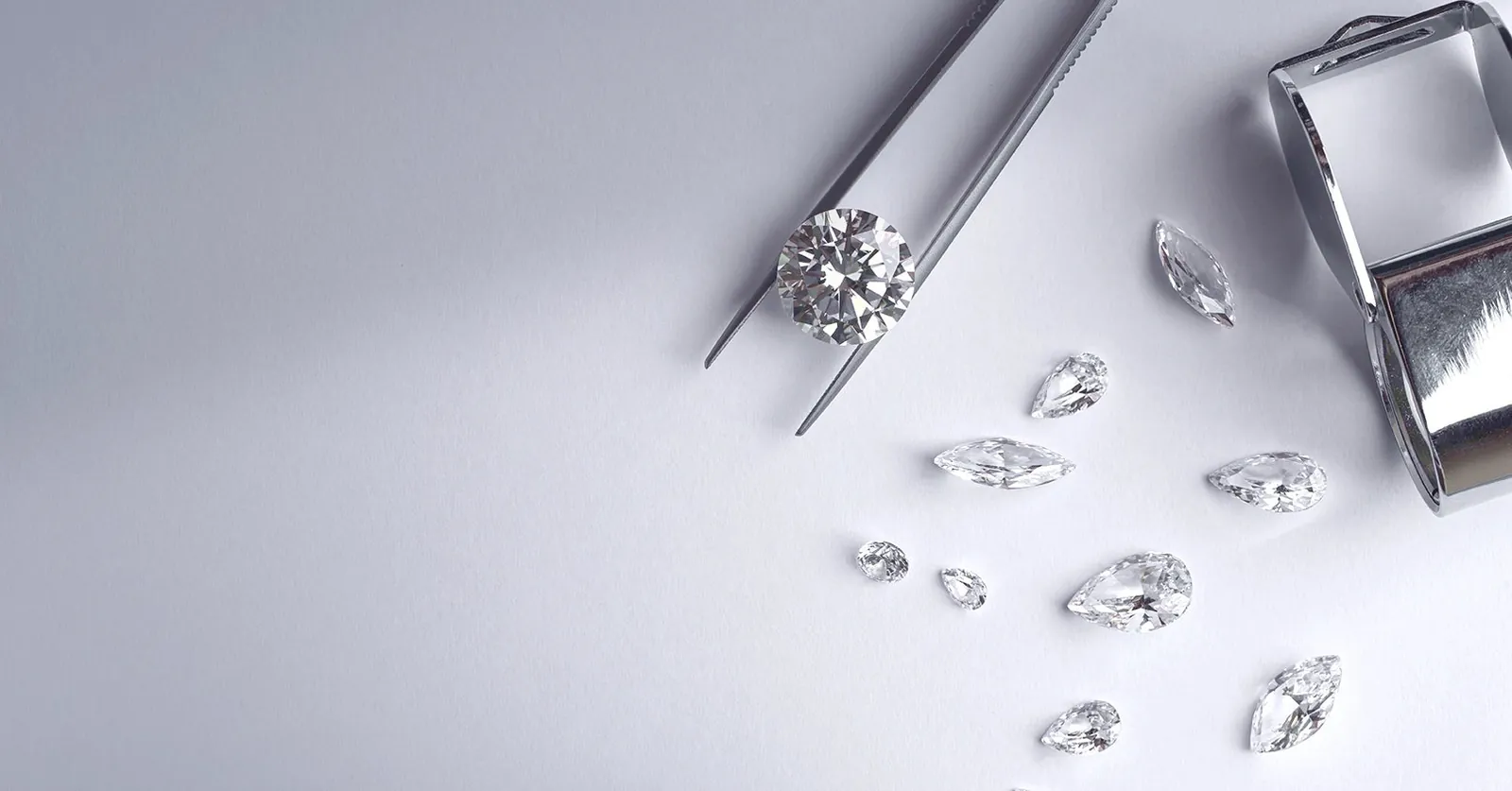
Choosing a diamond is an exciting moment, but it also involves important decisions - one of the biggest being whether to choose a natural diamond or a lab-grown diamond. Advances in technology have made lab-grown stones a highly compelling alternative, yet both options have distinct characteristics that matter to buyers depending on budget, values, and long-term goals.
No matter which direction you lean, it’s helpful to understand the real differences, how diamonds are graded, and what makes each choice unique.
What Makes a Diamond a Diamond?
Before diving into differences, it’s essential to recognise that lab-grown and natural diamonds are chemically, physically, and optically identical. Both are made of pure carbon atoms crystalised in the same structure; they possess the same brilliance, hardness (10 on the Mohs scale), and sparkle that we associate with fine diamonds.
Because of this, lab-grown diamonds are absolutely “real diamonds” - they test as genuine stones, share the same chemical makeup, and reflect light the same way. They are graded using the same 4Cs (cut, colour, clarity, carat) and can be IGI or GIA certified, just like natural diamonds.
If you would like to learn more about diamond specifications, we recommend exploring our Diamonds Buyer’s Guide, available on our website, which explains diamond quality, certification, and selection in greater detail and helps you compare options with confidence.
How Are Lab-Grown Diamonds Created?
Natural diamonds form over millions to billions of years deep within the Earth under extreme heat and pressure. In contrast, lab-grown diamonds are made in a matter of weeks, thanks to advanced technological processes.
The two main methods used are:
-
High Pressure High Temperature (HPHT) - recreates intense heat and pressure in a machine to grow carbon into diamond, mimicking nature’s forces.
-
Chemical Vapour Deposition (CVD) - layers carbon atoms onto a diamond seed in a vacuum chamber to build up the crystal.
|
💡 |
Pros of Natural Diamonds
Natural diamonds are valued for their rarity, geological history, and traditional appeal. Because each stone is unique and formed over immense spans of time, they often carry strong emotional and cultural significance. Many buyers also believe that natural diamonds offer better long-term value retention, particularly if they are high quality and well selected.
For those who want a deeper dive on diamond quality, grading, and how to compare stones based on the 4Cs, our Diamonds Buyer’s Guide on the website offers practical, expert-level insight.
Pros of Lab-Grown Diamonds
Lab-grown diamonds tend to cost significantly less, often 20% - 50% (sometimes more) cheaper than natural diamonds of similar size and quality. This price advantage makes it possible to choose larger or higher-clarity stones within the same budget.
Because lab stones are made in controlled environments, they can also show fewer internal imperfections or very high colour grades, making them especially attractive for those prioritising size and sparkle.
From an ethical and sustainability perspective, lab-grown diamonds eliminate the impacts of mining and concerns about conflict stones for many buyers, although their environmental footprints vary depending on the energy sources used in manufacturing.
Cons of Each Option
Natural diamonds can be more expensive and harder to obtain in larger sizes or top-grade combinations due to their geological scarcity. Lab-grown diamonds, while identical in quality and appearance, generally do not hold the same resale value because they can be reproduced and supply is not limited by natural formation.
Some buyers also prefer natural diamonds for their narrative and geological “journey,” while others see the modern innovation of lab stones as a compelling advantage. Discussions among buyers show this dichotomy clearly: many appreciate lab diamonds for size and ethics, while others still place higher emotional or perceived value on natural stones.
How to Tell If a Diamond Is Natural
To the naked eye, you cannot reliably distinguish a natural diamond from a lab-grown one once both stones are cut and polished - they look the same and behave the same optically.
Only specialised laboratory equipment can identify the origin with confidence by analysing trace elements, growth patterns, and inclusions (for example, nitrogen impurities in many natural diamonds).
This is why certification matters. A grading report from a reputable laboratory will state whether the diamond is natural or lab-grown and detail its quality attributes - a critical step for transparency and informed purchase decisions.
Your Options: Certified Diamonds & Bespoke Design
On our website, you’ll find a curated collection of IGI-certified diamond selections, giving you clarity and confidence in your choice of stone. Whether you prefer natural or lab-grown diamonds, each certified stone comes with verified quality and specifications that help you compare apples-to-apples.
Even more, any diamond - natural or lab-grown - can be set into bespoke jewellery. Our bespoke design service allows you to create personalised engagement rings, pendants, bracelets, or other heirloom pieces tailored to your taste, lifestyle, and budget.
What Should You Choose?
At their core, lab-grown and natural diamonds are real diamonds with the same brilliance, chemistry, and durability. Natural diamonds carry rarity and heritage that appeals to many, while lab-grown diamonds offer exceptional value, size, and modern appeal.
The best choice depends on your priorities - whether emotional, ethical, budgetary, or based on long-term value. With certified options and custom design services available, you can choose a diamond that reflects your story - and wear it for a lifetime

About Martin Oliva
Martin Oliva is a Master Jeweller, award-winning craftsman, and founder of Martin Oliva Jewellers, an independent jewellery and luxury watch business based in London.
His career began with a passion for traditional jewellery making, which led him to develop his craft in Hatton Garden, London’s historic jewellery district. Over the years, Martin refined his skills across fine jewellery design, manufacturing, restoration, diamond and gemstone setting, engraving, and bespoke commissions.
Read moreShow less
After eight years in London’s jewellery trade, Martin established his own workshop. In 2010, his craftsmanship was recognised with the Gold Award at WorldSkills UK in Fine Jewellery Making.
That same year, Martin opened his own studio and showroom in South Woodford, East London. Since then, Martin Oliva Jewellers has grown beyond bespoke jewellery into luxury watches, offering a carefully selected collection of pre-owned timepieces from some of the world’s most respected watchmakers, including Rolex, Patek Philippe, Cartier, Omega and Audemars Piguet.
With an in-house workshop and decades of experience in the jewellery trade, Martin remains closely involved in the craftsmanship and standards behind the business. His approach combines traditional hand skills with modern technology, with a strong focus on quality, precision and personal service.
Today, Martin Oliva Jewellers serves clients throughout the UK and internationally, while remaining an independent, specialist business built around Martin’s original passion for exceptional craftsmanship.

Leave a comment
Your email address will not be published..